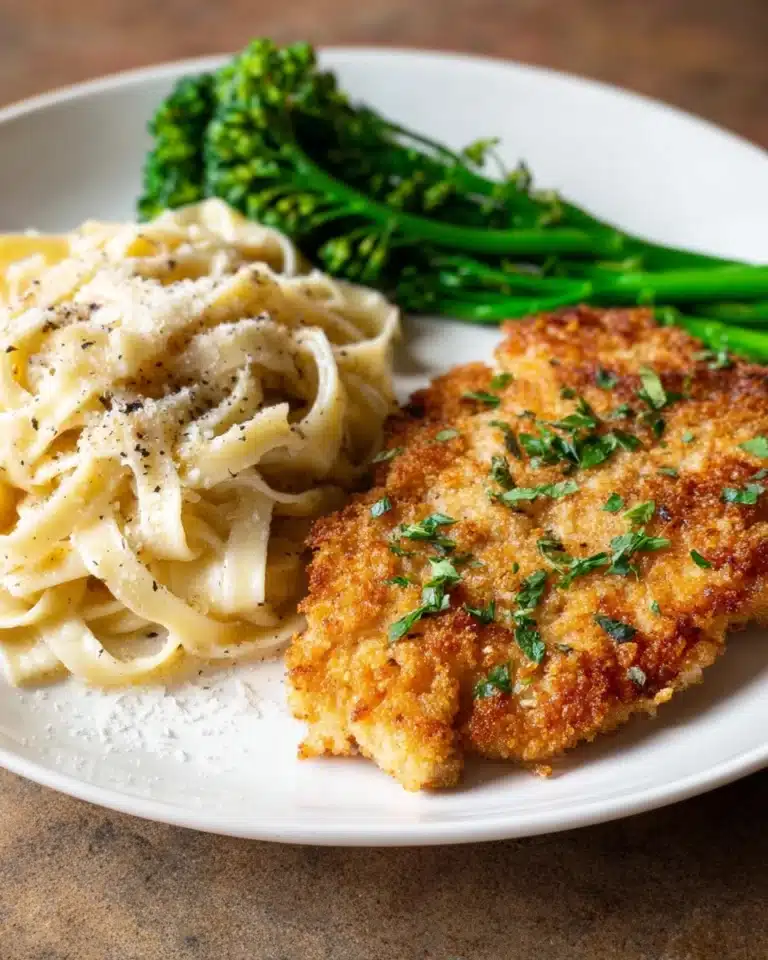
If you’re looking to treat yourself to a warm, flaky, and truly authentic delight from North Africa, this Moroccan Msemmen Recipe is exactly what you need. These marvelous layered flatbreads bring a crisp and buttery exterior with a tender, chewy inside, perfect for breakfast, a snack, or alongside your favorite dips. Each delicate fold of dough carries the heart of Moroccan culinary tradition, turning simple ingredients into a luscious pastry that’s impossible not to fall in love with.
Ingredients You’ll Need

You really don’t need a long list of fancy ingredients for this recipe. What you do need are staples that contribute beautifully to the texture, flavor, and that signature golden color of Moroccan Msemmen. Each component plays an essential role in creating layers that pull apart so satisfyingly.
- Flour (3½ cups / 340 g): The base of your dough, providing structure and that soft yet springy bite.
- Fine semolina (½ cup / 90 g): Adds a subtle nuttiness and slight grit that helps create the perfect flaky texture.
- Sugar (2 tsp): Just a touch to balance and enhance the savory notes.
- Salt (2 tsp): Essential for seasoning and bringing out the dough’s flavor.
- Yeast (1 tsp): Gives your dough just enough lift and lightness.
- Warm water (1½ cups / approx. ⅓ liter): Activates the yeast and binds all the elements.
- Vegetable oil (1½ cups): Keeps the layers tender and adds richness during cooking.
- Additional fine semolina (½ cup): For dusting during folding, helping each layer remain distinct.
- Very soft unsalted butter (¼ cup): Finally, the magic ingredient that brings lushness and flavor to every bite.
You’ll find the full ingredient list, instructions, and print option in the recipe card below.
How to Make Moroccan Msemmen Recipe
Step 1: Prepare the Dough
Start by mixing all the dry ingredients in a large bowl: flour, fine semolina, sugar, salt, and yeast. Slowly add the warm water and mix until the dough begins to form. You want it pliable and soft, not sticky—add a little more water or flour as needed. Then, transfer the dough to a floured surface and knead by hand for about 10 minutes until it becomes beautifully smooth and elastic. This kneading is the foundation for those perfect layers you’ll enjoy later.
Step 2: Divide and Oil Your Hands
Take a bowl with soft butter and vegetable oil ready. Coat your hands with oil—this step is key to preventing the dough from sticking and helps create those luscious layers. Divide the dough into golf-ball sized portions, distributing them evenly so each msemmen cooks consistently.
Step 3: Roll and Fold the Dough
Begin with the first ball and roll it out as thinly as you can, almost translucent. Brush the surface with the butter-oil mix for that amazing richness. Fold it into thirds lengthwise, then again sprinkle with semolina before folding into thirds widthwise, turning the strip into a neat little square. This folding technique is what gives Moroccan Msemmen Recipe its characteristic flaky texture. Repeat this for all dough balls.
Step 4: Cook to Golden Perfection
Heat a skillet over medium heat with a small amount of oil. Oil your hands again to gently press each folded square flat, keeping its square shape without overworking it, or else the layers might merge. Place the dough on the skillet and cook until golden brown, flipping as needed to get that perfect crisp exterior. If your msemmen is not browning quickly, add a little more oil; this ensures that lovely crunch that makes every bite so irresistible.
How to Serve Moroccan Msemmen Recipe

Garnishes
Moroccan Msemmen tastes wonderful simply warm with a drizzle of honey or a dusting of powdered sugar to highlight its buttery layers. You can also serve it with a sprinkle of cinnamon or pair with some fresh herbs to brighten the palate. The beauty of garnishing msemmen lies in the balance between sweet and savory, so feel free to get creative!
Side Dishes
For an authentic experience, serve your Moroccan Msemmen alongside traditional harira soup or a dollop of thick labneh. It also pairs beautifully with olives, spicy harissa, or a fresh tomato and cucumber salad. The flatbreads soak up these accompaniments perfectly and offer a delightful textural contrast.
Creative Ways to Present
You can present msemmen folded neatly on a beautiful platter or rolled around fillings such as cheese, spiced ground meat, or a sweet date paste for a stuffed variation. Layer several msemmen squares with different spreads to create a colorful, layered appetizer stack that’s sure to impress your guests.
Make Ahead and Storage
Storing Leftovers
If you happen to have leftovers, Moroccan msemmen stores well in an airtight container at room temperature for up to two days. Keep them wrapped in parchment or foil to maintain moisture and prevent them from drying out. When ready to eat, just warm them up gently.
Freezing
Moroccan Msemmen Recipe freezes beautifully. Simply stack the flatbreads with parchment paper between each layer to avoid sticking, and place them in a freezer bag or airtight container. They will keep well for up to one month, ready to be pulled out for a quick and delicious snack anytime.
Reheating
To reheat, warm your msemmen in a skillet over medium heat for a few minutes on each side until warmed through and crisped up beautifully again. Avoid microwaving if possible, since that can make the layers gummy instead of flaky. This simple reheating method brings back the magic of fresh Moroccan msemmen.
FAQs
What is Moroccan Msemmen?
Moroccan Msemmen is a traditional layered flatbread from Morocco, known for its flaky texture and rich, buttery flavor. It’s typically enjoyed for breakfast or as a snack and can be served sweet or savory.
Can I make Moroccan Msemmen Recipe without yeast?
Yeast gives msemmen a subtle lift and softness, but you can make a version without it. The texture will be a bit denser and less elastic, but still delicious when prepared and folded properly.
What oil is best for cooking msemmen?
Vegetable oil is commonly used due to its neutral flavor and high smoke point. However, you can experiment with sunflower or light olive oil for subtle flavor variations.
Can Moroccan msemmen be made gluten-free?
Traditional msemmen relies on wheat flour, which contains gluten. Gluten-free versions are tricky since the dough’s elasticity depends on gluten. You might need specialized gluten-free flour blends and techniques to replicate the texture.
How do I keep the layers from sticking together?
Oiling your hands and work surface generously between folds, and using fine semolina when folding, helps keep the layers separate and creates that signature flaky texture.
Final Thoughts
Tackling this Moroccan Msemmen Recipe might seem like a fun challenge, but it’s truly rewarding once you taste those buttery, flaky layers melting in your mouth. It’s a dish that brings warmth and tradition straight to your kitchen, inviting you to share authentic moments with friends and family. Give this recipe a try — your taste buds will thank you!
PrintMoroccan Msemmen Recipe

Moroccan Msemmen is a traditional flaky and layered flatbread known for its crispy golden outside and soft, buttery interior. Made from a simple dough of flour, semolina, yeast, and water, it is skillfully kneaded, layered with butter and oil, folded multiple times, and pan-fried to perfection. This recipe yields 10 servings of authentic Moroccan-style Msemmen, perfect for breakfast or a snack accompanied by honey or savory dips.
- Prep Time: 25 minutes
- Cook Time: 50 minutes
- Total Time: 1 hour 15 minutes
- Yield: 10 servings
- Category: Flatbread
- Method: Frying
- Cuisine: Moroccan
- Diet: Vegetarian
Ingredients
Dough
- 3½ cups flour (340 g)
- ½ cup fine semolina (90 g)
- 2 tsp sugar
- 2 tsp salt
- 1 tsp yeast
- 1½ cups warm water (approx. ⅓ liter)
For Layering and Cooking
- 1½ cups vegetable oil
- ½ cup fine semolina
- ¼ cup very soft unsalted butter
Instructions
- Mix Dry Ingredients: In a large bowl, combine the flour, fine semolina, sugar, salt, and yeast thoroughly.
- Add Water and Form Dough: Pour in 1½ cups of warm water and mix to form a dough. Add more water if needed to achieve a soft, kneadable dough that is not sticky.
- Adjust Dough Texture: If the dough feels too sticky to handle, gradually add flour one tablespoon at a time until manageable.
- Knead Dough: Transfer the dough onto a lightly floured surface and knead by hand for 10 minutes or use a stand mixer with a dough hook for 5 minutes until the dough becomes smooth and elastic.
- Prepare Butter and Oil Mixture: Melt or soften the unsalted butter and combine it with vegetable oil in a bowl. Set aside. Oil your hands well before handling the dough.
- Divide Dough: Divide the dough into golf ball-sized portions and place on the work surface.
- Flatten Dough Balls: Using the butter-oil mixture on your hands and surface, flatten each dough ball into a very thin layer.
- Layer and Fold: Brush the surface of the flattened dough with oil, then fold it into thirds. Add more oil and sprinkle semolina on the strip, then fold again into thirds to form a small square.
- Repeat Folding: Continue this process with all dough balls to create multiple layered squares.
- Heat Skillet: Warm a skillet over medium heat and add a small amount of oil.
- Flatten and Cook: Oil your hands, gently flatten each dough square ensuring it remains thin and square-shaped without overworking it.
- Pan Fry: Place the flattened dough into the warm skillet and cook until golden brown and slightly crunchy on the outside. Use enough oil to achieve a golden color, flipping as needed to cook evenly.
Notes
- The dough should be soft but not sticky for the best layering effect.
- Ensure your hands and work surface are well-oiled to prevent sticking while flattening and folding.
- Cooking over medium heat allows the layers to crisp up without burning.
- Adding semolina in the folds gives added texture to the bread.
- Msemmen is best served warm and can be enjoyed with honey, jam, or savory accompaniments.